"Listen to what your body has been holding."
Learn what it is · How it stays safe · Your next step
Some things the body has to learn first
Where emotional wounds meet conscious touch and embodied presence.
Touch-based psychotherapy brings safe, consensual touch into therapy, for people who understand themselves but still don’t feel at home in themselves. Learn what it is, how it works, and whether it might be right for you.
Understanding
What Is Touch-Based Psychotherapy?
It’s somatic therapy that, with your consent, can include touch. You and a licensed therapist talk, notice what’s happening in your body, and sometimes a steady, agreed-upon hand on a shoulder or back helps you feel what words haven’t reached.
What it is
Psychotherapy first. Touch is one tool inside the therapy, used slowly and only when it serves the work: to support, to steady, or to help you notice where you’re holding on.
What it isn’t
- Not massage or bodywork
- Not a replacement for talking
- Never sexual, under any circumstances
Who it may help
People who’ve done talk therapy and understand their patterns but still feel tense, guarded or far from themselves. People who learned early that their body wasn’t a safe place to live.
Consent & boundaries
Your body, your yes.
- 01Talked about firstTouch is discussed before it ever happens: where, how, and why.
- 02Stop any timeYou can say no or stop at any moment. No reason needed, nothing lost.
- 03Never sexualTouch in therapy is never sexual, ever. This line doesn’t move.
- 04Licensed, supervisedOffered only by licensed clinicians or associates working under a licensed supervisor.
- 05Touch is optionalYou can do this work without touch at all, and still go deep.
How it feels from the inside
The Path Back to Yourself
Most people who find this work aren’t in crisis. They’ve done the reading and the talking. What’s missing is the felt sense of it. Here’s how that usually unfolds.
For the client who's already done therapy
If you've done the work in talk therapy, and you understand yourself more than ever but still don't feel different, you're not doing it wrong. Insight isn't always enough. Real change happens when it's felt in the body.
Living from the neck up
Talk therapy can take you far, but only from the neck up. Somatic therapy brings the rest of you into the room.
Many people learn to leave themselves in order to survive
You've learned to thrive in a world that didn't always make room for you. Now it's time to feel that same confidence from the inside, in your body, not just your résumé.
Somatic Psychotherapy
Body-centered therapy for those who live from the neck up. Through presence, breath, and awareness, we reconnect with the intelligence of the body — moving toward safety, self-trust, and the grounded confidence of embodiment.
Touch, Always by Consent
An uncommon, specialized offering — ethically integrated, somatically informed touch that supports nervous system regulation and embodied safety. For those ready to experience presence and self-connection through direct, attuned contact.
Wherever you found yourself along this path, it leads to the same place: the part of you that was set aside to survive has been waiting the whole time.
Move from achievement to aliveness.
See Your Next StepsNext steps
If This Feels Right
Meet Seth & Kari
Seth Ambrose, LMFT, and Kari Prindl, AMFT, both include safe, consensual touch in therapy. See how each of them works and book a free consultation.
Meet Seth & KariQuestions first? Ask anything about touch-based psychotherapy before you reach out to a therapist.
Get in touch →
The Longing Beneath the Achievement
Many of the people who find this practice have already achieved a great deal. They understand themselves intellectually. They've read, reflected, perhaps spent years in therapy. And yet something still feels incomplete — a longing for deeper connection, for the body to feel like home, for relationships that hold more than function.
Insight alone is often insufficient. At a certain point, growth becomes less about doing and more about being.
What This Work Addresses
The work meets you where the struggle lives.
You don't need to arrive with a diagnosis or a crisis. These are the places where the longing for aliveness most often speaks.
What brings people here
From Doing to Being
This is a practice for people ready to move beyond achievement — toward embodiment, presence, and a felt sense of aliveness that no amount of self-improvement has been able to deliver.
Here in Hayes Valley, the work is relational and somatic, in-person and unhurried — meeting not just the mind, but the body, the emotions, and the relationships you long to deepen.

"This isn't about performing better. It's about being more truly yourself than ever before."
Somatic Therapy SF
"The goal is not becoming a better version of yourself. The goal is becoming more fully yourself.
A guiding belief of this practice
Curiosity is enough — the sense that there is another level of aliveness available to you. What this practice offers is a warm, attuned space where that aliveness can be felt, in real time, in your body and your relationships.
See how the work takes shapeThe Journey
How the Work Unfolds
A gentle, in-person progression — from the first conversation through the deeper transformation that becomes possible when you allow yourself to be seen.

Recognition & Reach
Something feels missing — not a crisis, but a longing. A sense that despite everything you've achieved, you are not yet fully at home in yourself, your body, or your relationships. You reach out, and receive a warm, personal response — not a form letter, but the beginning of a real conversation.
Many clients describe this moment as a quiet permission: the recognition that wanting more aliveness is not a failure of gratitude, but a sign of readiness.

A Consultation, Not a Pitch
We meet to explore whether we're a fit — not to sell you on a program. You bring your questions, your hesitation, your history. I bring presence and honesty about what this work can and cannot offer.
Clients often say they knew within the first conversation that this would be different — warmer, more human, less clinical than what they'd known before.
Choosing to Invest
This is a significant investment — of time, of presence, of resources. The decision to begin is itself a threshold: the moment you decide you are worth investing in. We talk openly about what that commitment looks like, because clarity builds the safety the work requires.
The deepest challenge here is rarely logistics. It's allowing yourself to believe that your own aliveness is worth this kind of investment.

Allowing Yourself to Be Seen
Once the work begins, the real edge emerges: vulnerability. Not scheduling, not finances — but the courage of letting yourself be known. In our in-person sessions in Hayes Valley, we move at the pace your nervous system can hold, using relational presence, somatic awareness, and — when appropriate — therapeutic touch.
You might notice a softening, a breath you didn't know you were holding, a warmth spreading through your chest. These are signs of a body beginning to trust.

Transformation & Integration
Over time, what once felt like striving begins to soften into presence. Identity loosens from performance. Relationships deepen. The body becomes familiar territory rather than unfamiliar ground. This is integration — not a destination, but a growing capacity to be more fully yourself, in your body, your relationships, and your life.
Clients describe it simply: 'I feel more like my real self.' More present. More grounded. More alive.
There is no fixed timeline, no performance required.
The work unfolds at the pace your body and nervous system are ready for — and that pace is always the right one.
The Therapist
A Guide, Not a Guru
This work began as a personal necessity — and became a lifelong question: how do people come home to themselves?
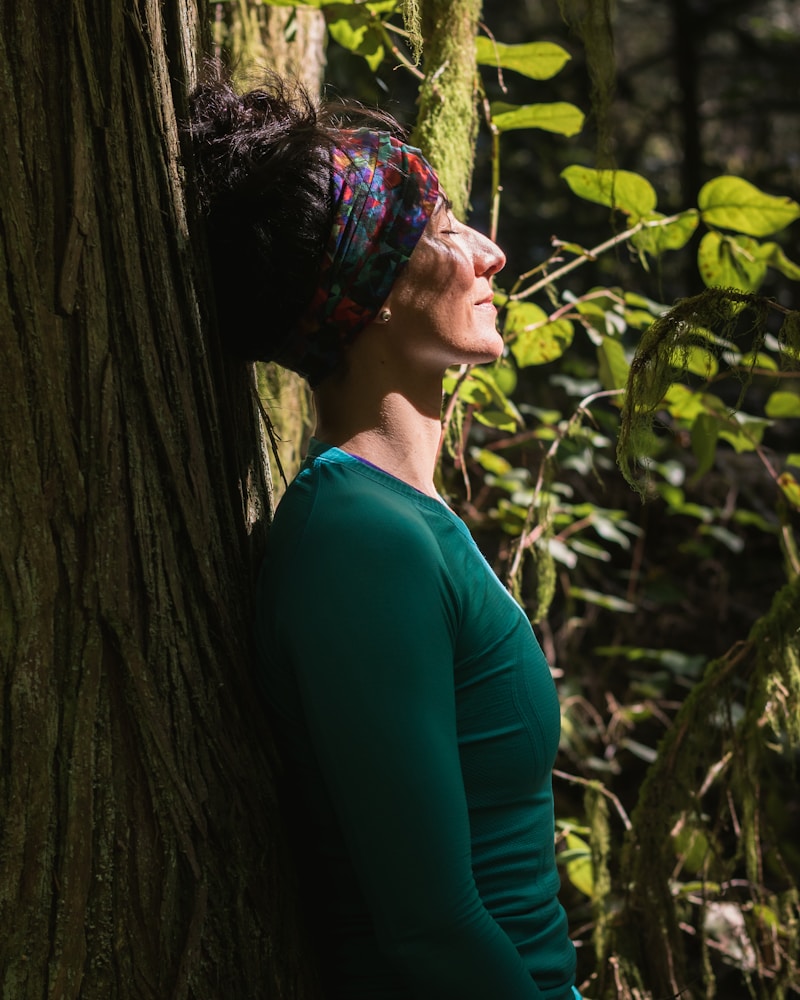
From Disconnection to Embodiment
Growing up gay in a conservative town and church environment, I learned early that something about my body, my desires, and my identity was wrong. Like many, I adapted — moving away from embodiment and toward achievement. Academics, music, intellectual pursuits became my way of navigating life. The body became increasingly unfamiliar territory.
Everything shifted when I encountered the Alexander Technique. For the first time, I became aware of the chronic tension and habitual holding I had lived inside for years. As embodiment deepened, so did self-acceptance, connection, and confidence. Friendships and community followed — relationships that have now lasted twenty years.
That transformation led me to teach the Alexander Technique professionally, and eventually toward graduate training in somatic psychology — integrating body, mind, emotions, and relationships within a single therapeutic framework. Today, in Hayes Valley, I help others experience the same homecoming.
Relational, Not Clinical
More like being with a friend than a distant expert. Warm, present, engaged, and human — without sacrificing depth or professionalism. You will not be observed from afar or met with detachment.
Your Pace, Your Nervous System
Sessions move at the speed of your nervous system — not a clock or an agenda. If you need to pause, we pause. If something arises in your body, we slow down and listen. There is no rushing here.
A Sanctuary in Hayes Valley
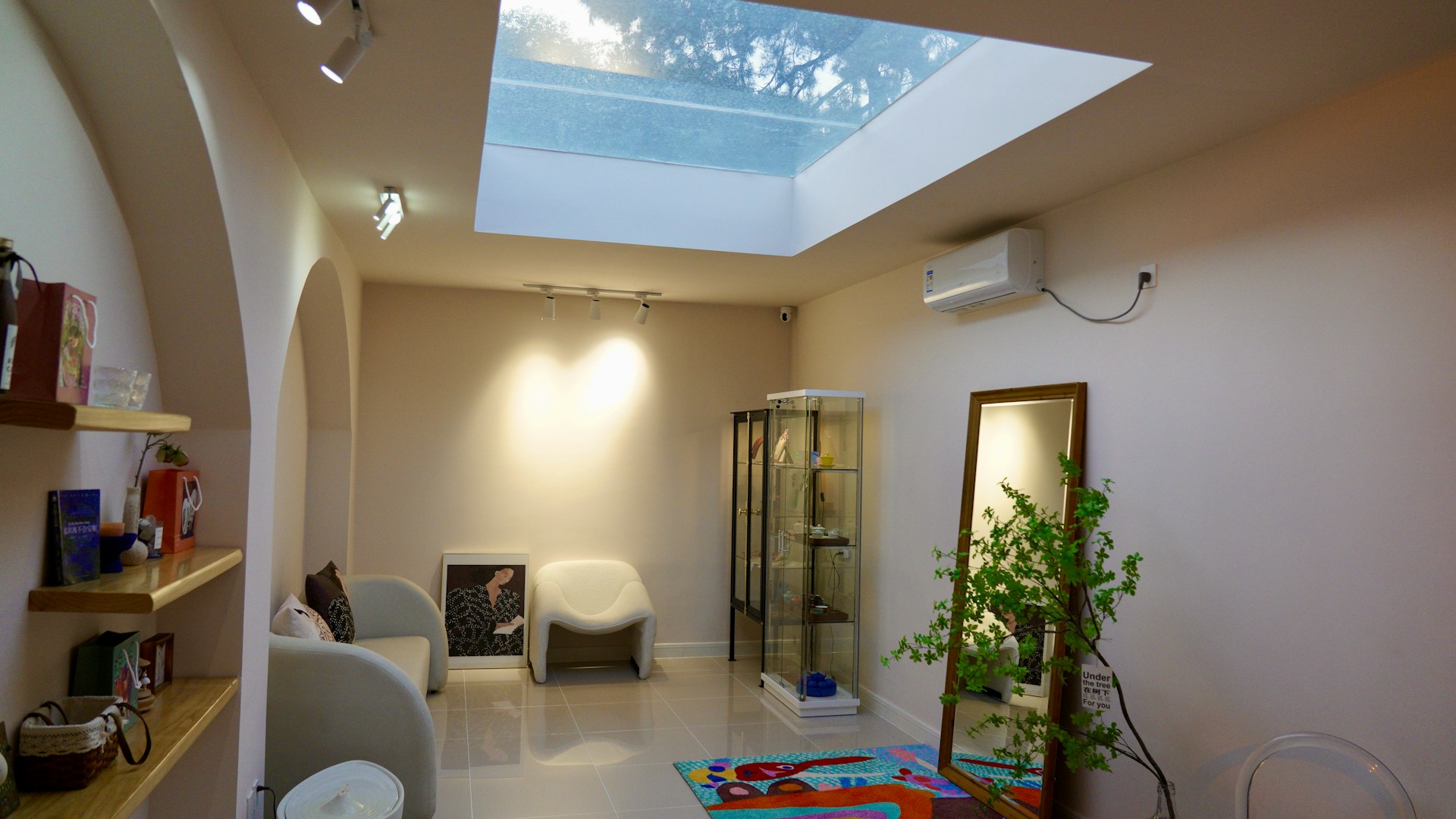
Our San Francisco office is designed to feel like a sanctuary — soft light, natural textures, and a stillness that tells your nervous system it is safe to arrive. Before a word is spoken, the room communicates care.
Your Next Step
When You're Ready,
the Door Is Open
A consultation is simply a conversation — a chance to feel whether this work resonates. No commitment, no pressure. Just space to explore whether we're a fit.